/CGLUX (Definitivo)-13.png)
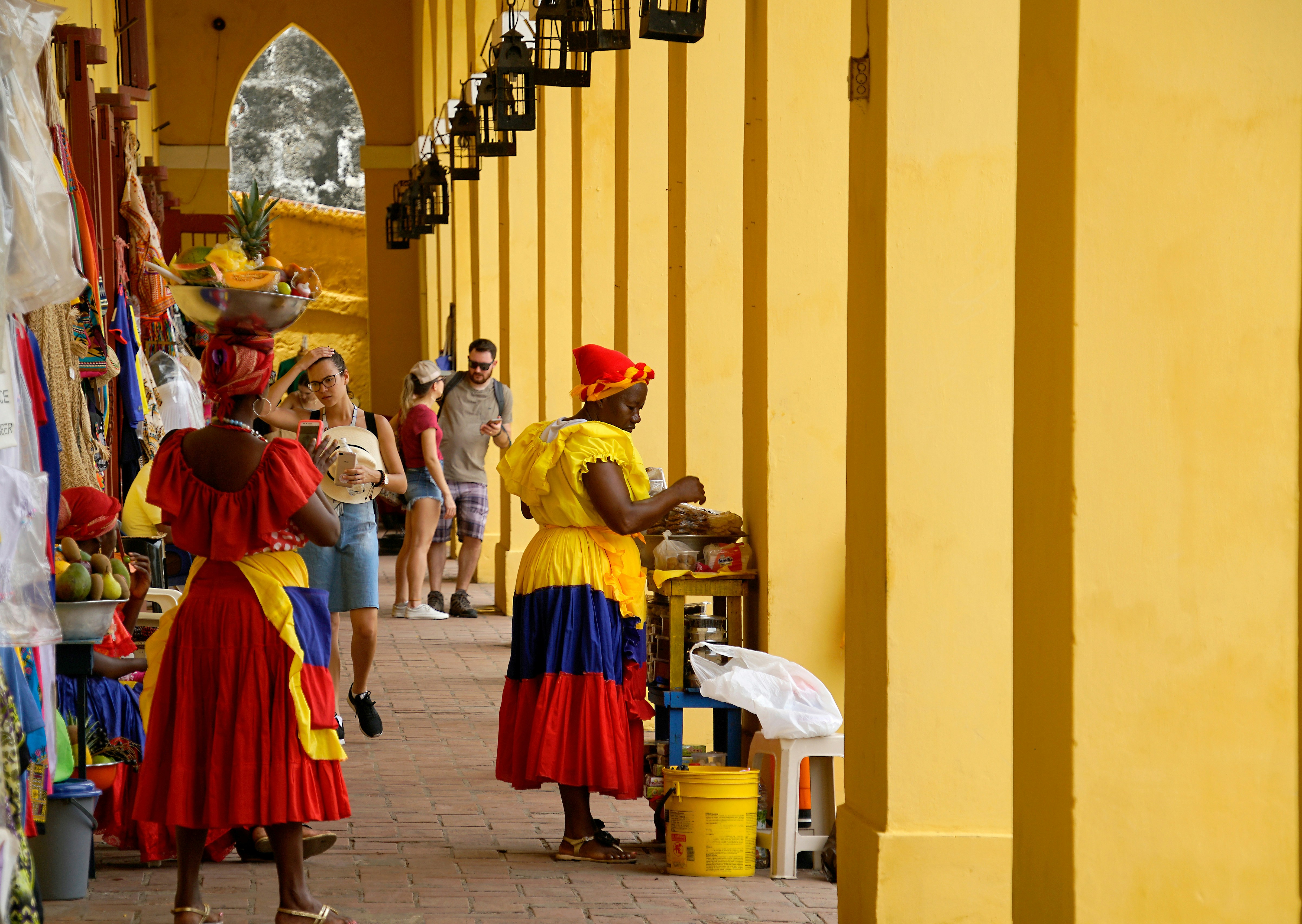
Choosing the best time to visit Cartagena, Colombia is one of the first decisions any traveler faces — and it matters more than most people realize. Unlike many Caribbean destinations, Cartagena has a dual-season climate that divides the year sharply between a dry season of sunshine and celebration, and a greener, quieter period when the city feels more local and intimate. The right time depends entirely on what you're looking for.
This guide breaks down what each season actually offers — not just the weather, but the rhythm, the atmosphere, and the practical realities that determine whether your trip feels effortless or overextended.
December to April — The Dry Season
The dry season runs from December through April and represents the traditional peak of Cartagena's travel calendar. Skies are reliably clear, temperatures sit comfortably between 28–32°C (82–89°F), and the city is alive with festivals, international visitors, and a palpable energy that is difficult to find at any other time of year.
January through March are the finest months within this window. Trade winds off the Caribbean keep evenings pleasant, humidity drops noticeably, and the combination of clear water and steady sunshine makes yacht charters and island excursions to the Rosario Islands genuinely spectacular.
December is extraordinary in its own right. The city's colonial facades glow with the lingering energy of the independence festivals from November, and Christmas and New Year's Eve on a rooftop above the bay — with fireworks reflecting off the Caribbean — is one of those experiences that is genuinely difficult to replicate elsewhere. It is also when competition for the best hotel rooms and restaurant tables is at its highest; planning ahead (or working with a concierge who has existing relationships) is essential.
The Hay Festival, held each January, draws international writers, artists, and intellectuals to the walled city for several days of events in some of Cartagena's most beautiful spaces. For guests with cultural interests, this is a compelling reason to target late January specifically.
The tradeoff of peak season is straightforward: higher rates, higher demand. The walled city's main plazas are busy, the best restaurants require advance reservation, and accommodation availability narrows quickly. For travelers working with a private concierge, these pressures are largely manageable — but solo planning in peak season requires considerable lead time.
May to November — The Green Season
From May onward, Cartagena transitions into its wet season. Rain typically arrives as afternoon or evening showers rather than all-day downpours, leaving mornings and late afternoons clear, warm, and often beautiful. The city's bougainvillea blooms more intensely, the streets of the walled city feel quieter and more local, and the Rosario Islands take on a richer, lusher color that is genuinely striking.
This period is significantly quieter than peak season. Hotel rates drop 20–40%, the best restaurants are more accessible, and the old town has a pace that rewards slow exploration rather than a rushed itinerary. Travelers who want an authentic, less curated version of Cartagena — who want to sit in a courtyard without crowds, who want to discover the city rather than be guided through it — often prefer this window.
June and July bring a brief dry spell locally called the veranillo — a mini-summer within the wet season that delivers near-dry-season conditions at green-season prices. This makes early July one of the most underrated windows for a Cartagena visit.
October and November are the wettest months and the only period where we advise flexibility on sea-based itineraries. Yacht charters and island excursions are still possible, but require a willingness to adjust plans around weather windows. For city-focused trips, they remain perfectly viable.
Month-by-Month at a Glance
| Month | Weather | Crowds | Best for | Season |
|---|---|---|---|---|
| December | Sunny, 29°C | Very high | Celebrations, atmosphere | Peak |
| January | Sunny, 28°C | High | Hay Festival, sea trips | Peak |
| February | Sunny, 28°C | High | Ideal conditions overall | Peak |
| March | Sunny, 29°C | High | Yachting, islands | Peak |
| April | Sunny, 30°C | Moderate | Transition, good value | Peak |
| May | Showers begin, 31°C | Low | Local atmosphere, value | Green |
| June | Veranillo, 31°C | Low | Best value + conditions | Green |
| July | Mostly dry, 31°C | Low–Moderate | Underrated window | Green |
| August | Showers, 31°C | Low | City exploration | Green |
| September | Showers, 30°C | Low | Quiet, local feel | Green |
| October | Wettest month, 30°C | Very low | City only, deep value | Green |
| November | Wet, clearing, 30°C | Low | Independence festivals (Nov 11) | Green |
What CGLUX Recommends
For most first-time guests visiting Cartagena, January through March offers the most reliable combination of weather, atmosphere, and access. The city is at its most vibrant, sea conditions are excellent, and the full range of experiences — from private yacht charters to rooftop dining — is available without compromise.
For repeat visitors, honeymooners, and guests prioritizing intimacy over energy, June or early July is our strongest recommendation. The veranillo delivers near-perfect conditions at a fraction of peak-season cost, and a Cartagena without crowds is a Cartagena that reveals itself far more honestly. The streets of the walled city, the pace of a private courtyard dinner, the stillness of the Rosario Islands at dawn — these are experiences that simply land differently when you're not sharing them with the world.
Regardless of when you travel, the key variable is not the calendar — it is the preparation. Cartagena rewards guests who arrive with a plan, a sense of curiosity, and the right people looking after them on the ground.
/CGLUX (Definitivo)-12.png)